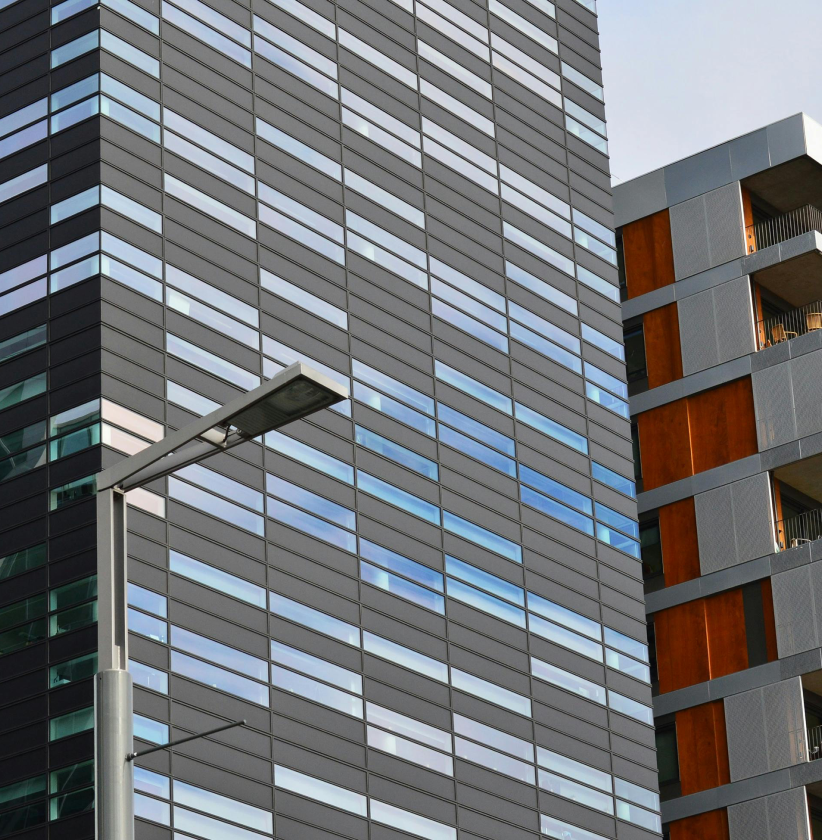

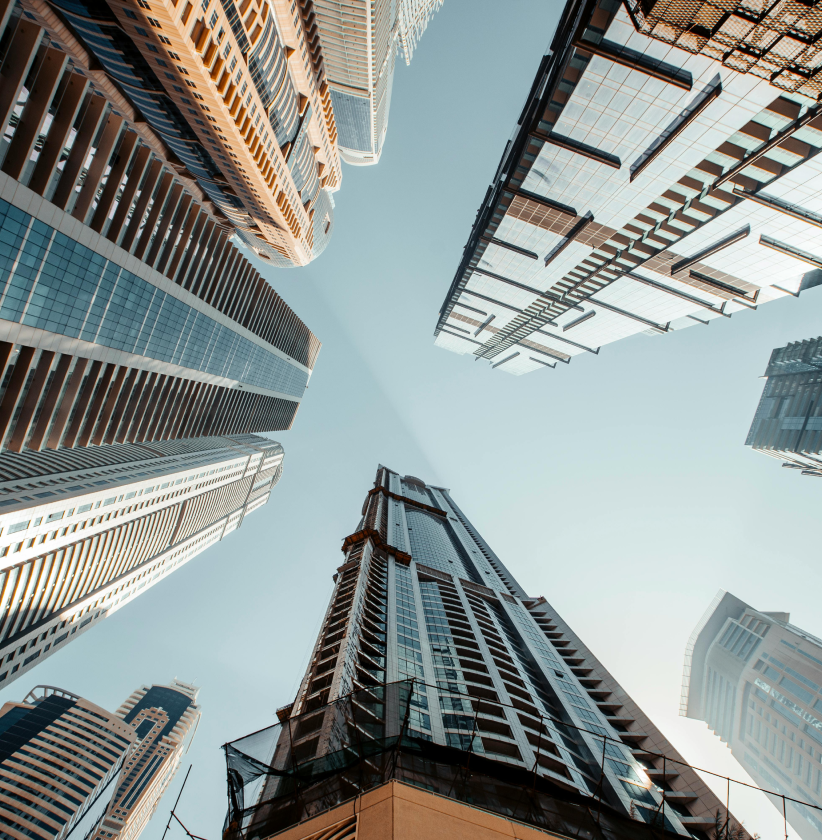
An overview of commercial real estate
Commercial real estate comprises properties used for business purposes. It includes office spaces, retail stores, industrial warehouses, hotels, and multifamily housing units. The primary aim is to generate rental income from businesses that lease these spaces.
Types of commercial properties
The commercial real estate market in Dubai offers a variety of property types:
- Office Spaces: These properties are intended for business operations, including corporate offices and co-working spaces.
- Retail Stores: Commercial properties designed for sales functions, such as malls, shopping centers, and standalone shops.
- Industrial Warehouses: Used for storage, manufacturing, and distribution purposes. They cater to activities like logistics and supply chain management.
- Hotels: Accommodation facilities that provide lodging services to travelers and tourists.
- Multifamily Housing Units: Residential properties with multiple housing units, often leased out to individuals or families.
Advantages of investing in commercial real estate
Investing in commercial real estate has several benefits:
- Higher returns: Commercial properties often yield higher rental income compared to residential properties, offering better potential returns on investment.
- Longer lease terms: Businesses typically sign longer leases than residential tenants, providing stable cash flow over extended periods.
- Triple net leases: Many commercial leases require tenants to cover property taxes, insurance, and maintenance costs, reducing the burden on landlords.
- Diversification: Investing in commercial real estate adds diversification to an investment portfolio, mitigating risks associated with other asset classes.
- Professional tenants: Commercial tenants usually have vested interests in maintaining their workplaces, ensuring property quality.
Factors affecting commercial real estate in Dubai
When considering commercial real estate investment in Dubai, consider the following factors:
- Location: Proximity to business hubs, transportation infrastructure, and amenities influence demand and occupancy rates.
- Economic climate: Dubai's economic stability, trade policies, and business environment impact the commercial real estate market.
- Rent prices and terms: Rental rates, deposit requirements, and lease agreements vary across different commercial property types.
- Regulations and permits: Compliance with local laws, zoning regulations, and building codes ensures the smooth operation of commercial properties.
- Market trends: Staying updated on commercial real estate trends helps identify growth areas and emerging opportunities.
An overview of residential real estate
Residential real estate encompasses properties designed for living, such as single-family homes, apartments, and villas. Investors purchase these properties for personal use, leasing, or resale at a profit.
Types of residential properties
Dubai's residential real estate market includes various property types:
- Single-Family Homes: Standalone houses intended for one family, complete with private lawns and gardens.
- Apartments: Individual units within multi-story buildings, often part of gated communities with shared amenities.
- Villas: Luxurious homes offering spacious living areas, premium finishes, and private outdoor spaces.
- Penthouses: Exclusive top-floor apartments offering panoramic views and luxury features.
- Townhouses: Multi-level homes attached to adjacent units, combining privacy with community living.
Advantages of investing in residential real estate
Investing in residential real estate also brings its own benefits:
- Stable demand: Housing remains a basic necessity, ensuring consistent demand for residential properties.
- Easier financing: Banks offer favorable mortgage options for residential properties, encouraging more investors to participate.
- Rental income: Leasing residential properties generates regular rental income, contributing to overall financial stability.
- Appreciation: Well-located residential properties tend to appreciate in value over time, offering capital gain potential.
- Demographic Tailwinds: Population growth and urbanization continue to drive long-term demand for residential housing.
Factors affecting residential real estate in DubaiKey considerations for residential real estate investment in Dubai include:
- Neighborhood quality: Safety, proximity to schools, healthcare, and recreational facilities influence property values and rental appeal.
- Property condition: Well-maintained properties attract higher rents and minimize repair costs.
- Market conditions: Supply-demand balance, interest rates, and macroeconomic factors shape the residential real estate landscape.
- Tenant management: Effective tenant screening, lease enforcement, and property upkeep ensure steady rental income.
- Legal framework: Understanding tenancy laws, rental caps, and property ownership regulations safeguard investments.
Commercial real estate vs residential real estate: comparing key metricsTo better understand the differences between commercial and residential real estate, examine the following comparative table highlighting critical metrics:

Market dynamics in Dubai's real estate sector
Both commercial and residential real estate markets in Dubai are influenced by unique dynamics shaped by the city's vibrant economy and diverse population.
Trends shaping commercial real estate
Several emerging trends influence Dubai's commercial real estate landscape:
- Co-Working Spaces: Increasing demand for flexible workspace solutions among startups and freelancers drives the growth of co-working spaces.
- Retail Innovations: The rise of e-commerce necessitates innovative retail formats integrating online and offline experiences.
- Logistics Hubs: Strategic location as a global trade hub boosts demand for industrial warehouses and logistics centers.
- Green Buildings: Sustainability initiatives prompt the development of energy-efficient, eco-friendly commercial properties.
Trends shaping residential real estate
Key trends affecting the residential sector include:
- Affordable Housing: Growing focus on affordable housing solutions caters to middle-income residents and expatriates.
- Luxury Living: High-net-worth individuals seek premium properties offering state-of-the-art amenities and exclusive lifestyles.
- Community Living: Mixed-use developments incorporating residential, commercial, and recreational spaces promote holistic community living.
- Smart Homes: Integration of smart technologies enhances comfort, security, and energy efficiency in modern homes.